How Fast Website Loading Affects Local Google Rankings
Today, people expect websites to load quickly. When they click a link, they want the page to appear almost instantly. If it takes more than a few seconds, they’re likely to give up and leave. For local businesses, slow load times can mean missed opportunities and lost customers. One of the main reasons is how local website speed plays a part in how Google ranks pages for local searches.
We know from experience at Nantwich Web Design that page speed is more than just a nice-to-have. A sluggish website can drive people away and send poor signals to Google, which uses speed as one of its many ranking factors. That’s why if you’re a local business aiming to appear higher in Google search results, speed matters more than you may think.
Why Website Speed Makes a Difference
Let’s keep this simple. People hate waiting. Multiple studies confirm that users click away if a website doesn’t load within a few seconds. When you’re running a local business, especially one offering services in a small radius, you don’t want to lose a single visitor. Your potential customers are likely choosing between only a few options. If your competitor’s site loads faster than yours and looks just as good, it’s likely they’ll win the click.
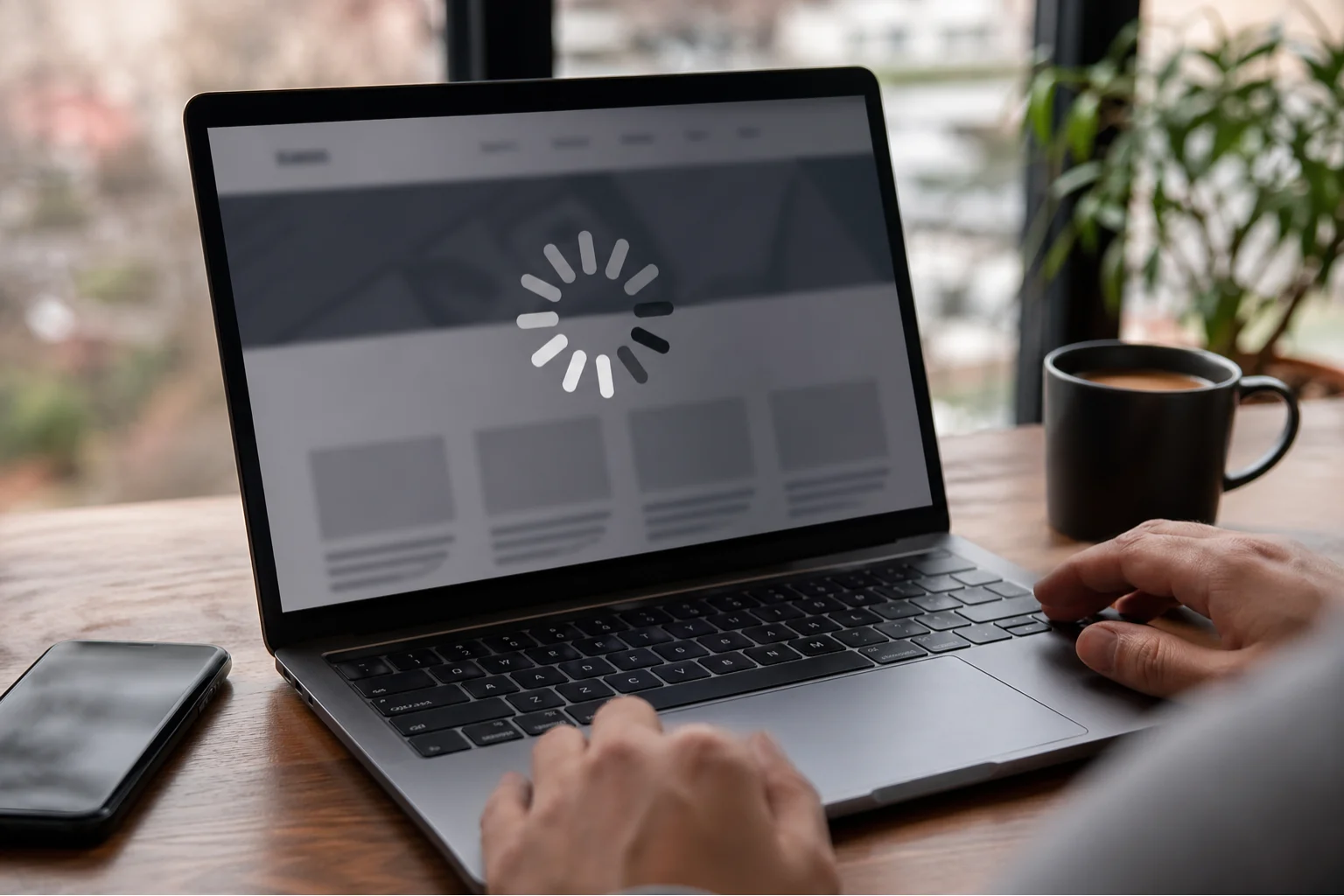
The faster a website is, the more likely visitors are to stay on it, explore more pages, and complete actions. That might mean filling in a contact form, calling your business, or placing an order. A fast site encourages action, while a slow site causes hesitation. What this means for local website performance is simple: quicker load times can lead to better conversion rates and customer retention.
How Local Website Speed Affects Local SEO
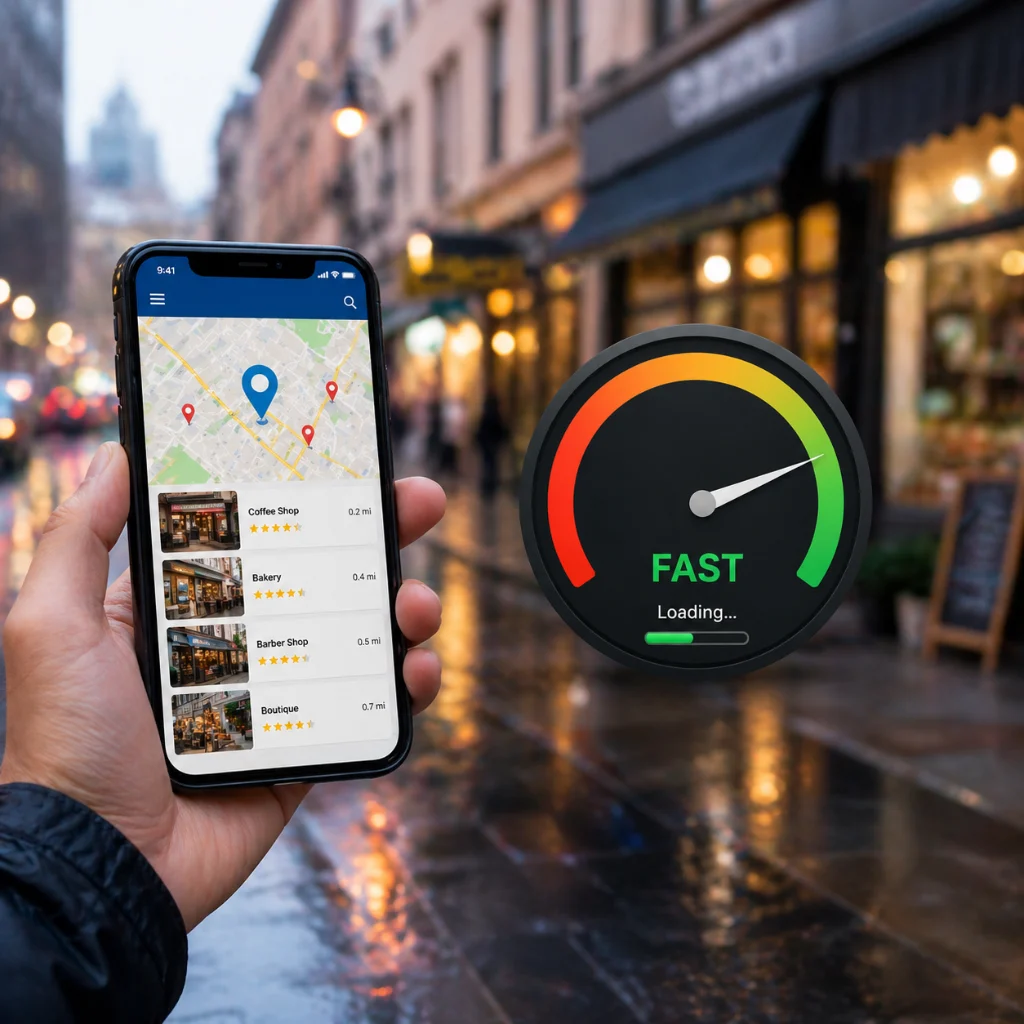
Google takes page speed seriously. It has been part of the ranking algorithm for years, and now with mobile-first indexing, speed on mobile devices is even more important for showing up in local results. Since many local searches happen on phones, local website speed directly influences visibility.
Google introduced something called Core Web Vitals to measure how people experience your website. These include:
- How long it takes for the page to load
- How quickly users can interact with elements
- How visually steady the content is during loading
All of these impact ranking. If your local business is in competition with others in your area, and your website loads slower than theirs, you’re already at a disadvantage. Improving your local website speed gives you a stronger chance of getting in front of the right people at the right time.
The Role of User Behaviour and Engagement
Google looks at how people interact with a site. If someone clicks your link and leaves within a few seconds, that’s called a bounce. High bounce rates often happen when pages take too long to load. This tells Google your site isn’t offering a good user experience, and that can damage your local rankings.
Dwell time matters too. This is how long someone stays on your site before going back to the search results. A fast-loading website keeps people engaged. They’ll scroll further, read your content, and get in touch. If your business can hold someone’s attention longer than your competitor, you’ve got a much better chance of winning the sale.
For local businesses, a few extra seconds in load time can make a big difference. When you’re only targeting a small area, every click counts. By focusing on speed, you not only make your website more inviting but also tell Google that your site deserves a good spot in the rankings. It’s a smart move for any business, and one many still overlook.
What Affects Local Website Performance
There are several areas that can slow down a site. Top of the list is where your website is hosted. Cheap or shared hosting may seem fine at first, but it can make your website crawl during busy times. Moving to a better hosting solution or using a cloud server can hugely improve local website performance.
Next is the code. Messy HTML, oversized CSS files, and JavaScript loading everywhere slow things down. Cleaning up your code and only loading what the user needs can shave precious seconds off your loading time. Compressing files and reducing how many requests are made each time a page is loaded also help.
Large images are another common issue. A single uncompressed photo can slow your site down for everyone. You can fix this by reducing image sizes, using the right formats like WebP, and turning on lazy loading. This means images only load when they need to, not all at once.
Another speed booster is browser caching and using CDNs. Caching saves parts of your site so they load quicker the next time someone visits. CDNs (Content Delivery Networks) store your content on multiple servers around the country or world, and deliver it faster depending on where the visitor is located. If you have local customers across a broad region, CDNs can help.
How to Test and Maintain Speed
To find out how fast your site really is, tools like Google PageSpeed Insights or GTmetrix are helpful. They break down exactly what’s slowing things down, with scores for both mobile and desktop. These tools even offer suggestions to fix problems on the spot.
We recommend checking your site speed regularly. A fast site today might become slower over time because of plugins, photos, or extra code. If your site runs on a platform like WordPress, regular website maintenance helps avoid these issues. Updating plugins, removing unused files, and testing after major site changes can help you avoid slowdowns that hurt SEO.
Steps to Improve Local Website Speed
Speed improvements don’t have to be complicated. Start by:
- Running a speed test to find current issues
- Looking for problem files or elements
- Fixing the largest issues first like image sizes or server delays
- Retesting to check improvement
- Continuing to tweak, such as combining files or reducing pop-ups
If you’re not confident making these changes yourself, a professional web design team can help. It’s worth the effort for the reward you’ll see in local rankings, especially when paired with good local SEO strategies like content creation and keyword targeting.
Real Advantage for Local Businesses
Some businesses spend big on ads, forgetting their slow site is losing visitors. Others polish their content, unaware that users can’t hang around to read it. Yet making a site faster is one of the simplest and most effective ways to improve local website performance. We’ve helped many small businesses achieve better rankings just by speeding up their website and improving server response times.
From optimised images to quicker scripts, the details matter. If your local business loads faster than your competitors’ websites, you’re already leading the race. Combine this speed with strong content, locally focused SEO, and mobile optimisation, and you increase your chances even more.
Want to see examples? Take a look at our work to see how we’ve helped others in your position.
FAQs
Does speed matter more for mobile devices?
Yes. Most local searches are done on phones. If your mobile site is slow, users won’t wait, and Google could rank it lower.
Is slow hosting really that bad?
It can be. Shared or cheap hosting limits website speed, especially during high traffic times. A better host means better performance.
Do large pictures slow sites down?
Yes. Large files increase load times. It’s best to compress and resize images to what users need.
Can a fast site improve conversions, too?
Definitely. A few seconds of delay can mean lost leads or sales. Faster sites make visitors stay longer and take action.
Speed Up Your Site and Stand Out Locally
If there’s one thing we’ve learned from helping local businesses, it’s that site speed matters much more than people think. Local website speed affects how potential customers experience your brand and whether they stick around long enough to connect with you. It also decides your spot in Google’s local results.
Improving your local SEO doesn’t just mean writing better content or using keywords. It also means making your website run as fast and as smoothly as possible. If you’re not already paying attention to how quickly your site loads, now’s the time.
If you need help, we’re just a message away. Visit the contact us page and let’s talk through your site’s performance. At Nantwich Web Design, we’re here to make your website work better for your business, with speed as a priority.